Yes on 14-85

HOod river Needs HOmes people can afford

Bar graph comparing earnings from 2019 and 2024. In 2019, earnings were $486,722. In 2024, earnings increased to $706,909. Source: Zillow.

Hood river needs Measure 14-85

The cost of housing in Hood River has risen dramatically in recent years.

Today, the median price of a home is over $700,000, up 45% since 2019. That means educators, nurses, firefighters, and other critical members of our community are being priced out of living here as high housing prices rip at our social fabric. Measure 14-85 will take critical steps to build housing that is affordable to address this crisis.

About 80% of people who work in Hood River don’t live here, frequently because they can’t afford to.

That makes it harder to recruit workers for local businesses and reduces connection to the city – which is particularly hard for professions like educators, health care workers, police officers, and others that rely on a connection to the community.
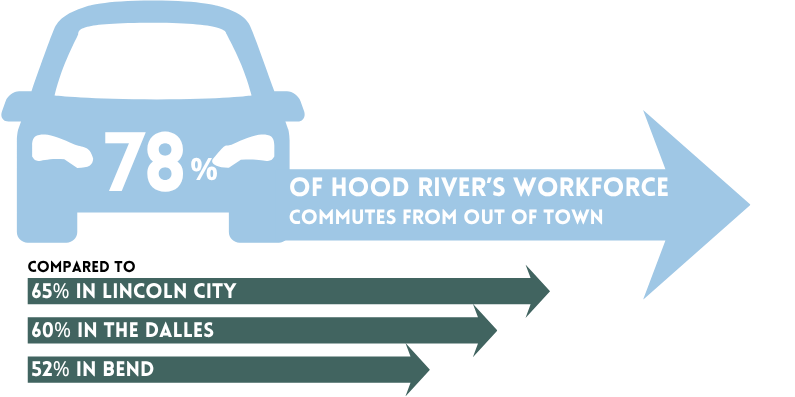
Infographic showing commute percentage of Hood River's workforce from out of town, with 78% commuting, and breakdowns for Lincoln City (65%), The Dalles (60%), and Bend (52%).

Sources: US Census Longitudinal Employer-Household Dynamics Data, 2023 (latest year available as of April 2026).

This Bond Means Housing For:

  • A man with glasses carrying a young girl on his shoulder and holding a young boy in his arms, outdoors in front of a white fence with trees in the background.

    Families

    A stable home is the foundation of a family. Being forced to move because you can’t afford to live in Hood River can disrupt an education and undermine connection to the community. This includes families that have lived here for generations and are now being priced out. Enrollment has already declined significantly in the last decade, with the school district pointing to the high cost of housing as a major factor.

  • An elderly man with white hair, glasses, and a blue shirt is holding a young girl with blonde hair and a white dress decorated with small colorful patterns. They are outdoors with a blurred background of green foliage, and the man is smiling at the girl while she touches her chin and looks down with a smile.

    Seniors

    The rising cost of housing is particularly hard for seniors and those living on a fixed income. Having the right place to live is critical for the quality of life of our older seniors, ensuring their home is accessible and helping them stay connected to the community.

  • Multiple cars with illuminated brake and tail lights in traffic, seen from behind during dusk or dawn.

    Workers

    Our local economy depends on working families, filling needed positions and supporting our community. Housing costs are pricing out too many – about 4 in 5 Hood River workers don’t live in the city. That creates congestion, climate pollution, and harms the fabric of our community. It also makes it very hard to recruit and retain workers.

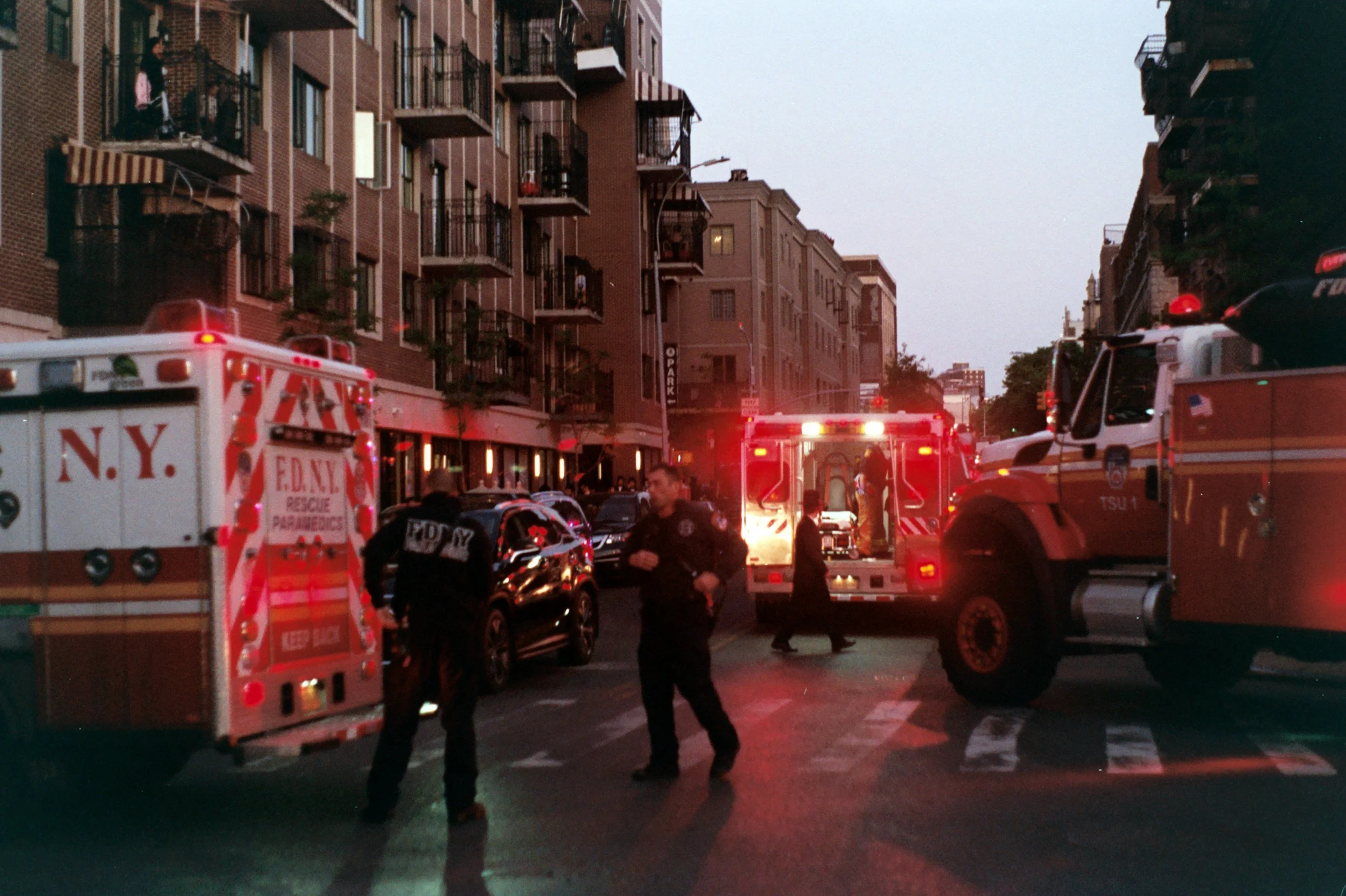
  • Emergency responders, including fire trucks and personnel, are at the scene of an incident in an urban area with multi-story apartment buildings. It appears to be either evening or early morning.

    First Responders and Healthcare Workers

    Many of Hood River's police officers, firefighters, nurses and healthcare workers commute into town. When people are more closely connected to where they live, they are less likely to transfer to a new job, meaning we lose their workforce experience. And living here means they are ready to respond during a natural disaster or emergency, not trying to travel here in the middle of a crisis.

How will the housing bond work?
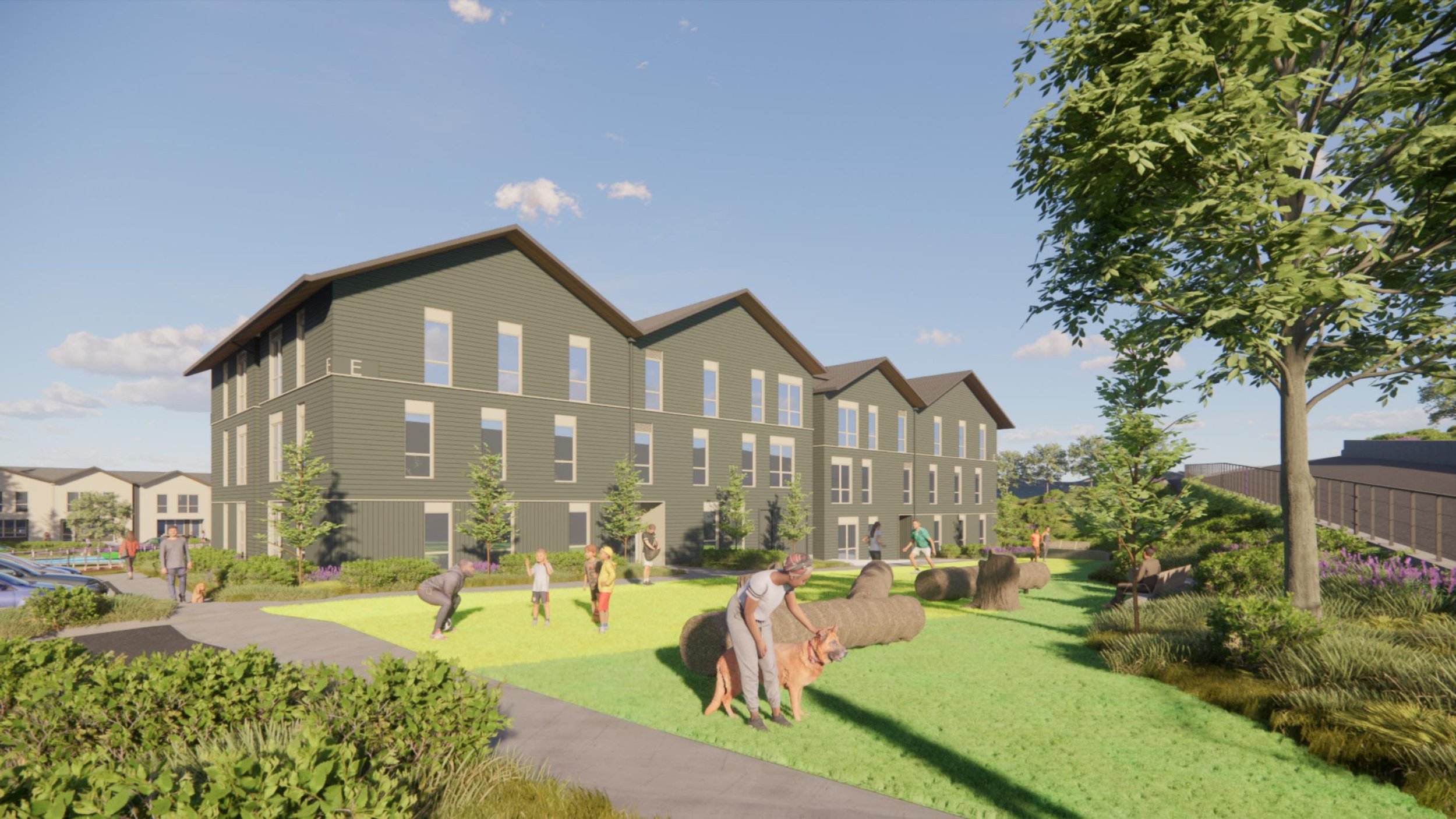
A residential community with modern multi-story buildings, children playing, and adults walking in a landscaped park with trees, bushes, and a clear blue sky.

Measure 14-85 would provide critically needed funds to add housing to Hood River that is affordable.

Developers aren't building housing that is affordable because it isn't profitable. The city will leverage bond funds to create financing packages for new housing - working to secure funds from federal, state, and philanthropic sources and partnering with nonprofits organizations.
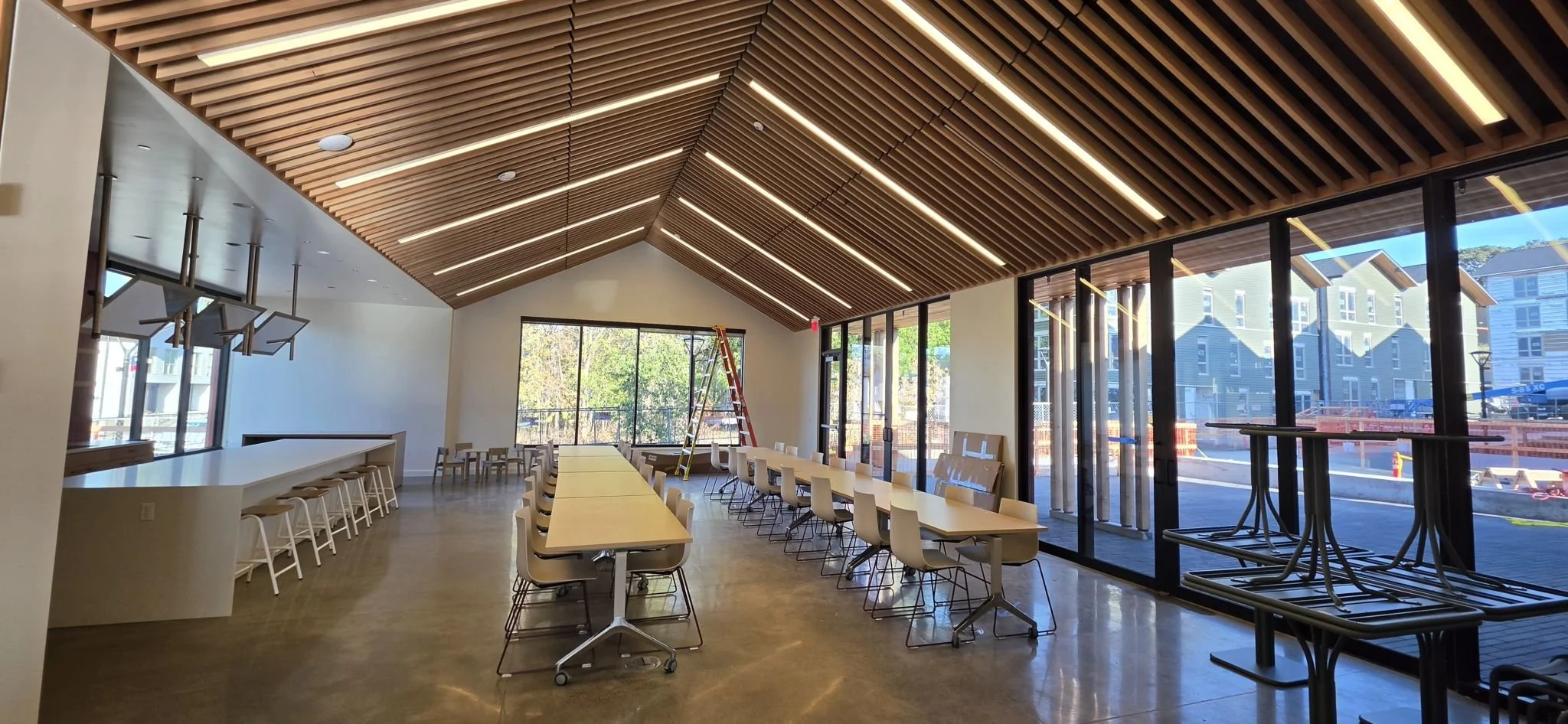
Modern indoor space under construction with wooden ceiling, large windows, and tables with chairs, some furniture is on ladders and stacked.

Using Innovative Models to Create Homes

The city will look to create a variety of homes that are affordable, including rental housing, co-ops, and tiny homes. Bond funds can also go toward models like land trusts that ensure a home stays affordable for future owners.

Building on our success

The city is completing the final phases of the low-income housing project Mariposa Village that adds 129 homes to the community. In that case, the city purchased the land and put the project out for competitive bid. In all, the project used $1.7 million in city dollars and secured $54 million in additional funding from partners.

Supporters of Measure 14-85
Colorful logo of King Hood River Latino Network, featuring a house outline with mountains inside and the text 'HOOD RIVER LATINO NETWORK' below.

Hood River City Council

Jennifer Griffith, Community Healthcare Leader

Ken Lawson, Education Leader

Kate Hoffman, Chair of Hood River City Planning Commission

Megan Saunders, Mark Zanmiller

  • Providence Hood River Memorial Hospital

    “Access to affordable housing is essential to the health and vitality of our community. It also directly affects our ability to recruit and retain the caregivers our region depends on. All of our caregivers should have a realistic opportunity to live in or near the communities they serve.

    The Hood River Affordable Housing Bond represents an important investment in a stronger, healthier, and more resilient community. By expanding access to housing that working individuals and families can afford, we can support a stable local workforce and help ensure continued access to high-quality health care close to home. 

    Providence Hood River Memorial Hospital is proud to support this effort and the long-term well-being of the Hood River community.”

  • 1000 Friends of Oregon

    “1000 Friends has worked for more than 50 years for accessible and affordable homes for all Oregonians. This housing bond aligns with that vision. It will help create infill housing and support local community land trusts, which steward land and preserve affordability for generations to come. By leveraging public-private partnerships to accelerate housing production, this bond will create more options for residents making 60-120 percent of Median Family Income (~$52-105,000 for a family of four) and ensure locals are able to stay.

    The bond builds on many years of the City working with community members, planners, and other stakeholders to close the housing gap without sprawling onto farms and natural lands. Hood River has already fought hard to regulate short-term rentals and worked to streamline permitting for housing construction. This bond allows the City to continue building on that progress.”

  • Adam Smith, Lead Science Teacher at Hood River Middle School

    "As a middle school teacher in Hood River, I’ve seen firsthand how the housing market here has made it incredibly difficult for educators to live in the community they serve.

    I bought my home in 2018 through a project designed to keep homes below market rate, with priority given to teachers, nurses, firefighters, and other essential workers. Without that opportunity, buying a home on a teacher’s salary simply wouldn’t have been possible for me in this market.

    It shouldn’t take a special program for teachers, nurses, and other essential workers to be able to afford to live in the communities where they work. The housing bond is an opportunity to make that kind of stability accessible to more people, rather than something available only to those lucky enough to find a program like the one that helped me."

  • Kevin Walsh, MD, Hood River

    “My own life is richer when my neighbors are the teachers at the school up the street, the nurse and lab tech at the hospital a few blocks away, the produce guy at the grocery store, the stylist from the hair salon - the people who make Hood River the wonderful place it is.

    I support the Housing Bond Issue so housing in Hood River is more accessible to all the folks with whom we weave this community. We need each other, we depend on each other, we appreciate each other. Somos juntos.”

  • Colin Wood, Hood River Valley Adult Center Board

    “I was the founding Director of La Clinica del Cariño, working there for ten years (1985 -1995) to increase and improve the health care services available for farmworkers and other low-income community members. For 22 years (1990-2012), I was a Board member of HOPE (Housing for People, Inc.) a non-profit, community development corporation which obtained funding to create affordable housing in the Mid-Columbia. Currently, I am a Board member of the Hood River Valley Adult Center.

    I am very concerned about the lack of affordable housing in our area for low-income folks, especially our 31+% population of Latino workers, families, and seniors. I know from personal friends and community contacts that many people are struggling with the lack of affordable housing. Latino elders often live with their adult children and take care of grandchildren. They depend on their working family members to assist them. This puts a financial burden on the whole family. Housing is often their primary expense.

    We desperately need to address the problem of unaffordable housing for our brothers and sisters in Hood River. Let’s all support the Hood River affordable housing bond campaign.”

  • April Snyder, Instructional Assistant at Hood River Valley High School and server at Lake Taco

    “It’s near impossible to survive in this town. I’ve lived in Hood River for twenty years now, I have worked both in the School District and in food service. Over the years, I’ve seen an alarming increase in rental costs and a dramatic decrease in rental availability. And with wages not matching the high cost of housing and the high cost of food and other necessities, it creates a stressful situation where folks have to decide between food and a roof over their heads, which eventually forces folks out of this town because they can’t afford to live here.”

  • Martha Verduzco - Ortega, Director of HRLN Immigrant Help Center

    "I was born and raised in Hood River County. I have experienced the need for housing and how difficult it is to find and then trying to afford to pay higher than normal rents is not a good feeling. My parents and siblings have had to relocate to be able to afford their own home. As a community organizer and someone who resources our immigrant community, not being able to give options about affordable housing is difficult. Seeing people live in uninhabitable conditions is very sad. Investing in housing for the members of our workforce is critical, we must secure stable, accessible housing. Please join me in voting Yes."

  • Megan Saunders

    “The lack of housing (both for purchase or rent) in Hood River makes it very difficult to put down long-term roots. While I love the community, and the area, it is hard to picture a life here 10, 20, 30 years down the road, given the instability in housing options. I have watched many friends and community connections in a similar position make the decision to leave the area, in small or in large part as a result of their inability to afford to rent and/or buy. It puts a real hamper on the health of the community, the local economy, and the future of the city.”

Get Involved

By providing your cell phone number, you agree to receive texts to your number from Affordable Hood River PAC. Texts will include messages about campaign and voter information. No donations will be solicited via text. Msg frequency varies. Reply STOP to opt-out. Reply HELP for help or more information. Msg and data rates may apply. Terms and Conditions can be found here: www.affordablehoodriver.com/terms-of-use. Privacy Policy can be found here: www.affordablehoodriver.com/privacy-policy